Buffalo
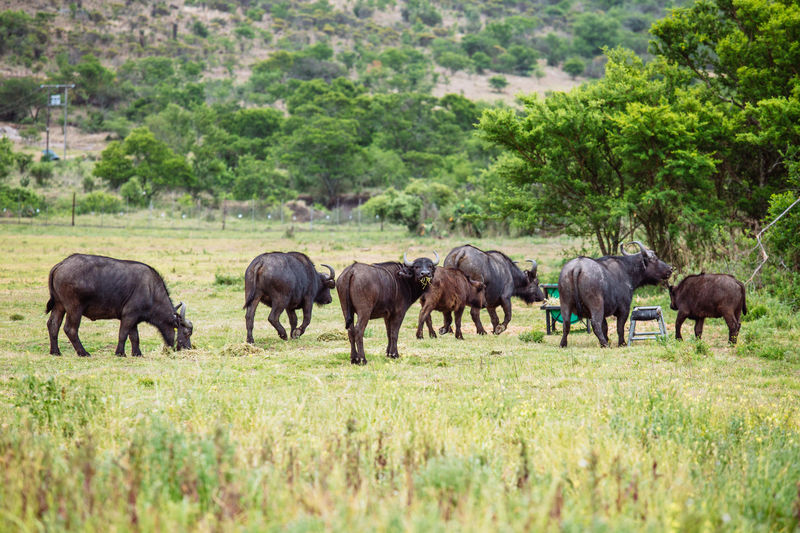
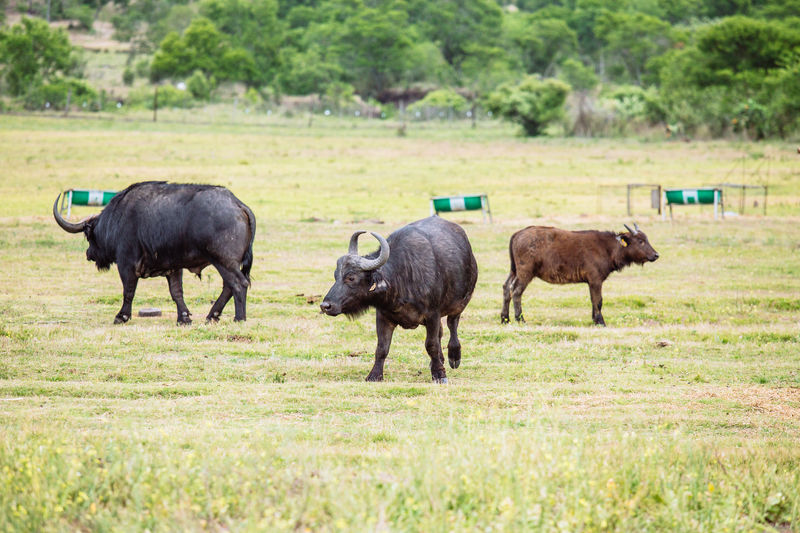
Benghoil Private Reserves’ impeccable Buffalo species are meticulously bred under optimal conditions, each season producing consistently stronger genetic specimens.
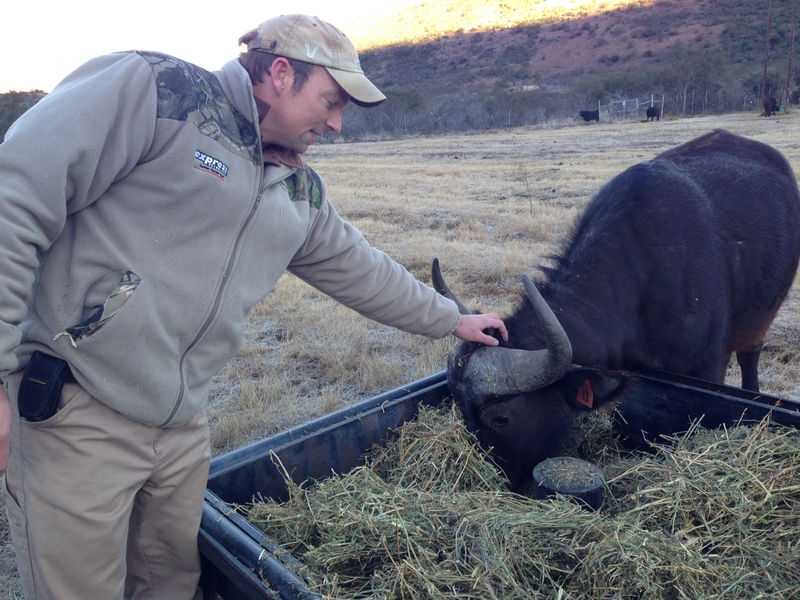
The Buffalo's exemplary physical condition can be contributed to superior gene selection which is optimized through semi-intensive & intensive camp structures with key nutritional support & continual interaction, producing calm, unstressed herds that can be effectively monitored.
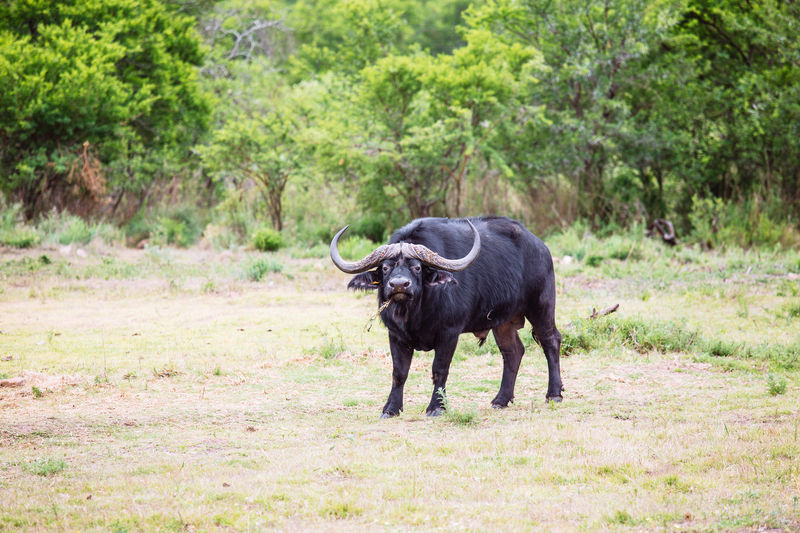
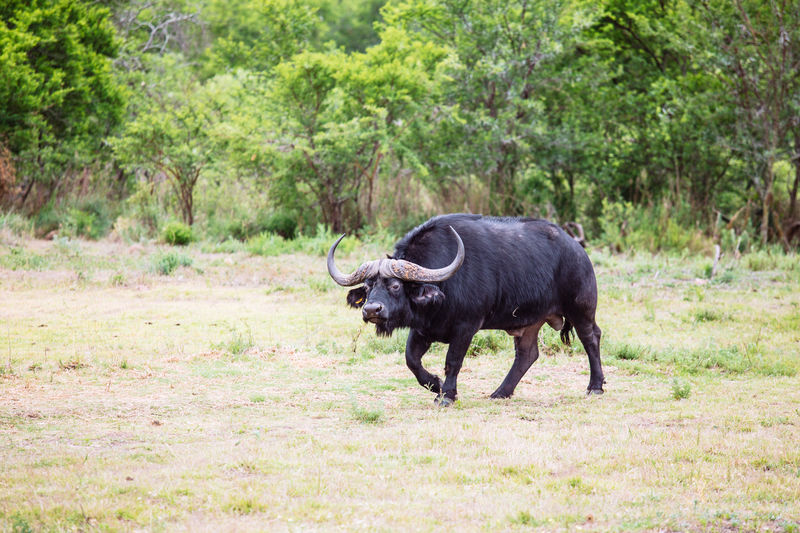
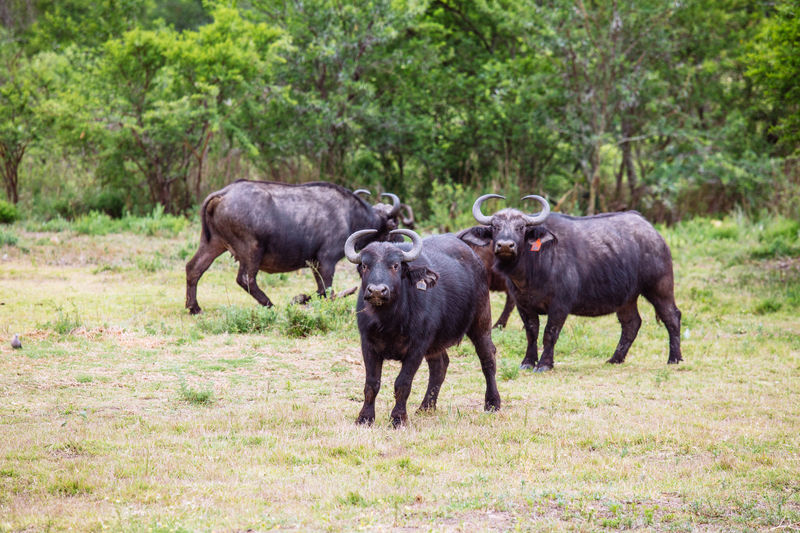
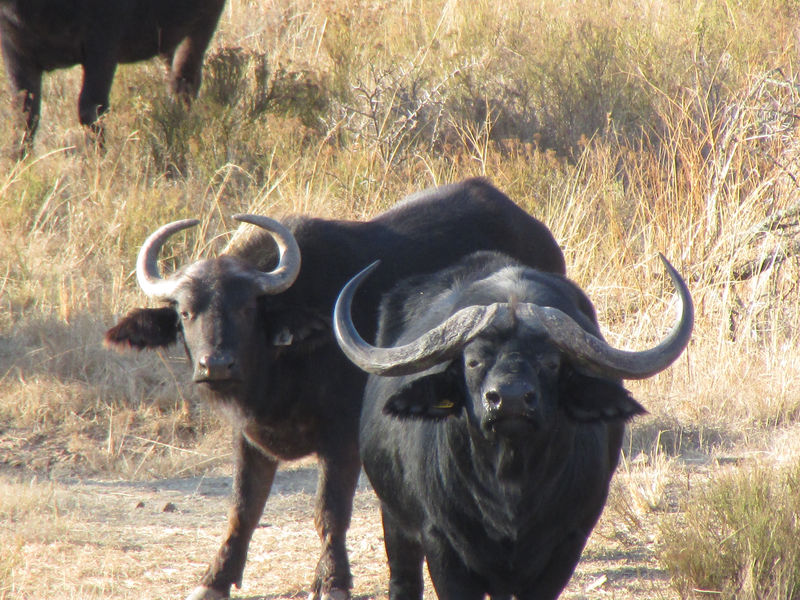
The strong and imposing Cape buffalo (Syncerus caffer) is Africa’s only wild cattle species, with its bulky build and thick horns, the Cape buffalo is considered to be a dangerous animal, it has a reputation of attacking and killing humans when threated .
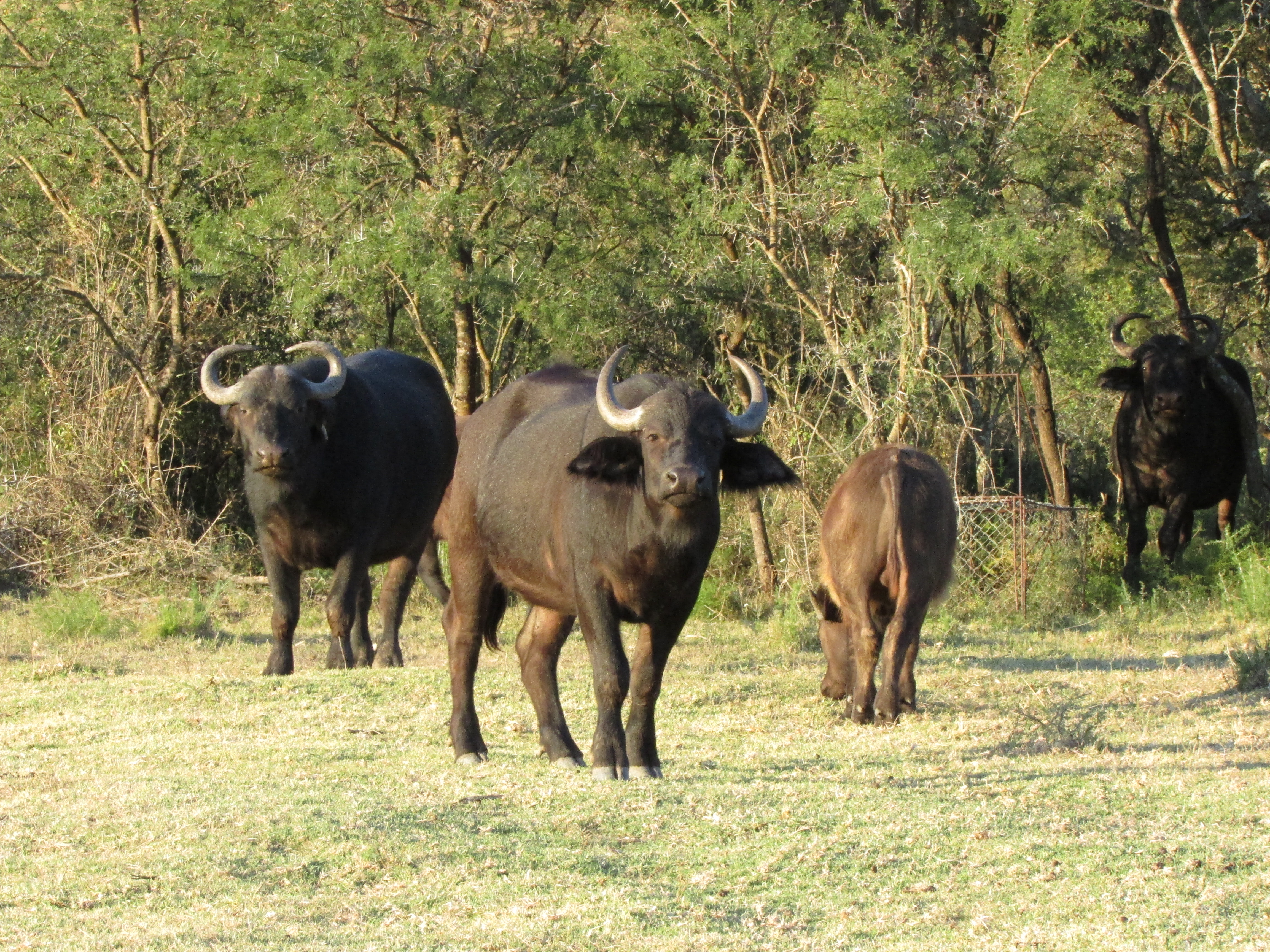
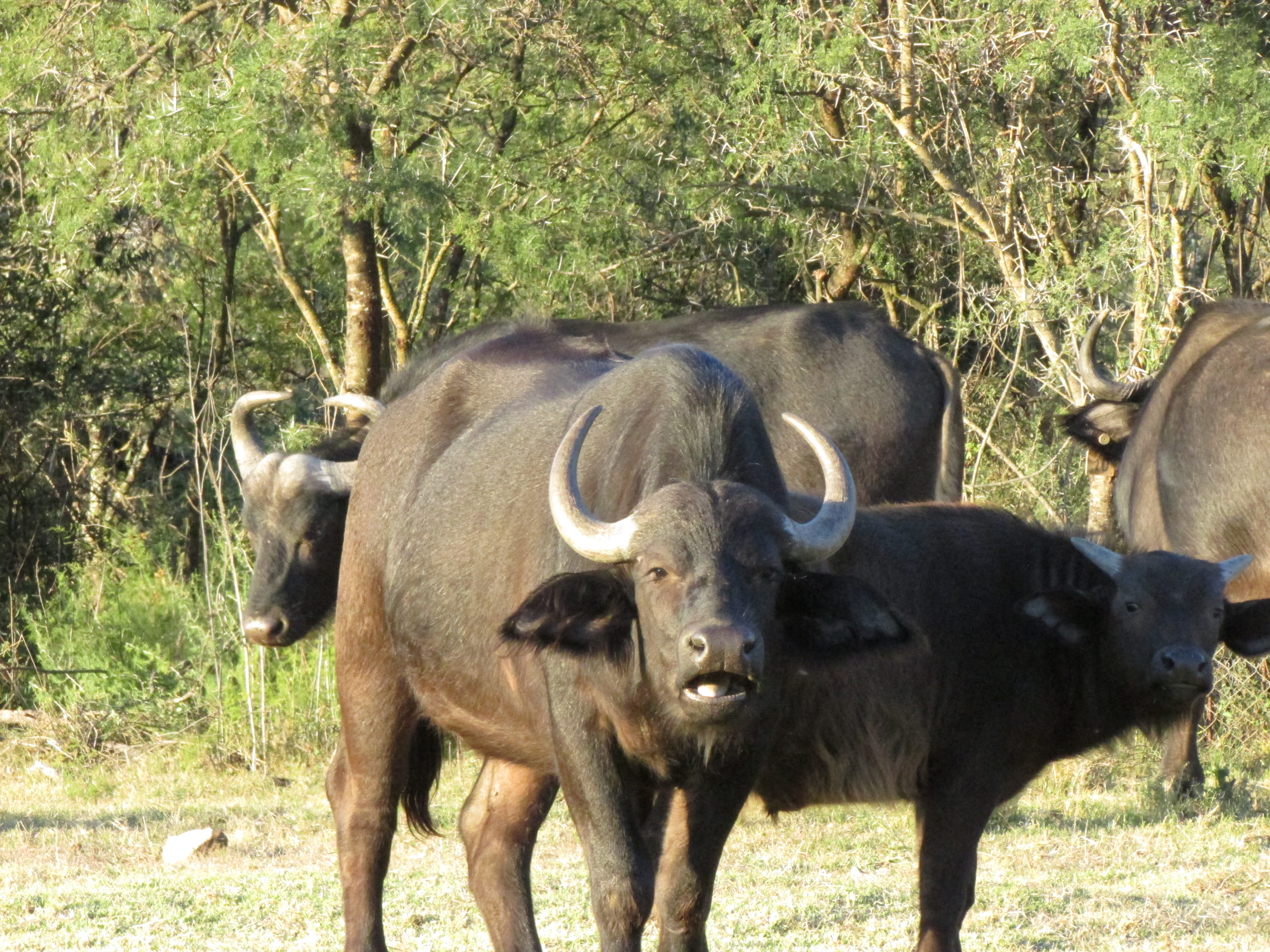
The Cape buffalo has a broad chest, large limbs and a large head with sparse covering of hair over the body. The imposing horns spread outward and downward from the head, and in some males the horns are joined by a large boss covering the head, their drooping ears and the long tail with tasselled hairs at the end. The male African buffalo tends to be larger than the female, with longer, thicker horns and boss. There are currently four recognised subspecies of African buffalo of these the cape buffalo, is the largest
Mating occurs primarily between March and May in the African buffalo, and the gestation period lasts for approximately 343 days , with calves born from November to April. The bond between the mother and calf is very strong, and the newborn calf is hidden for the first few weeks until it joins the herd. The African buffalo is known to live for up to 26 years.